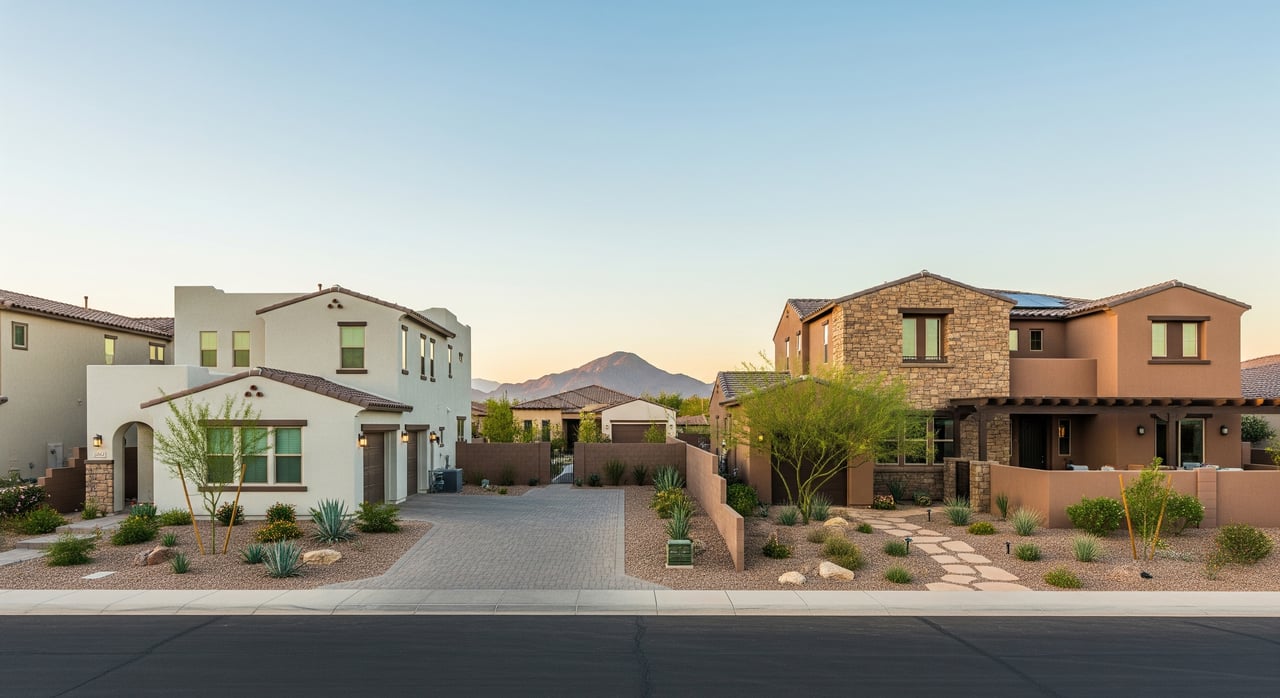
HOA vs Non-HOA Homes In Peoria: What To Know
January 1, 2026
January 1, 2026
Thinking about buying in Peoria and debating HOA vs non-HOA? You are not alone. The choice affects your monthly costs, how you use your property, and even your resale strategy. In this guide, you will learn how HOAs work in Peoria, what non-HOA ownership looks like, and the key steps to take before you write an offer. Let’s dive in.
Buying in an HOA means you own your home within a community that has recorded rules and an elected board. You pay dues that fund common area upkeep and amenities. Non-HOA homes have no association rules beyond city and county codes. You manage your own exterior choices and maintenance.
Both paths can work. Your best fit depends on how much structure you want, which amenities you value, and how you feel about rules and fees. Use the sections below to compare the details for Peoria.
In Peoria, “HOA” covers several setups:
Local conditions shape HOA rules and costs. Peoria’s hot, dry climate influences landscape standards and irrigation rules. Some associations prefer xeriscaping and water-wise designs. Growth in the northwest corridor also means new HOAs are coming online, and reserves and governance can vary by the age of the development.
Expect rules that cover:
HOAs can issue fines or suspend amenity access for violations. They can also place liens for unpaid assessments. Always confirm whether any obligations or violations exist before you close.
Dues commonly fund:
Fees vary widely based on services and amenities. Master-planned communities usually cost more than small, limited-service HOAs. Always verify the current dues and what they include for the specific property you are considering.
Special assessments can occur when major repairs or improvements are needed and reserves are low. Ask for the most recent reserve study, operating budget, and financial statements. Older communities without strong reserves have a higher risk of assessments. Newer developments can also levy assessments for capital projects, so do not assume new means risk-free.
Associations insure common areas and sometimes exteriors, especially in condos. You are still responsible for insuring your home or unit interior. Confirm whether the HOA covers roof and exterior components for your property type. Your agent and insurer can help you match the right policy to any gaps.
Well-managed HOAs with adequate reserves and cared-for amenities can support demand at resale. Poor governance, litigation, or frequent special assessments can deter buyers. Review meeting minutes and financials to understand the direction of the community.
Condo projects sometimes have additional lender requirements, especially for FHA and VA loans. Single-family homes in HOAs usually do not face project-level approvals, but lenders still count HOA dues when they qualify your loan. Higher dues can reduce your purchasing power, so include them in your monthly budget.
Look for:
Non-HOA ownership gives you more control over exterior choices and use, within city and county codes. You will not pay association dues, which can lower monthly costs. The tradeoff is full responsibility for exterior maintenance, landscaping, and any amenities you want.
Non-HOA homes still follow local ordinances. Parking rules, noise, and short-term rental regulations come from the city. Always verify what is allowed with current city guidance and recorded property restrictions.
Plan for roof care, exterior paint, landscape irrigation, tree work, pool service if you add a pool, and any fencing or hardscape upkeep. Setting a maintenance reserve can help you avoid surprises.
Use this list to compare specific properties before you commit:
Ask the listing agent, seller, or HOA these questions early:
If you want amenities and consistent neighborhood standards, an HOA may fit your goals. If you value freedom over rules and want to avoid dues, a non-HOA home can be a great match. In both cases, your best move is to review documents early, confirm your total monthly costs, and plan your ownership and resale strategy with clear information.
A simple way to decide is to list your non-negotiables. Do you want community amenities you do not have to maintain yourself? Do you plan to add solar or make exterior changes? Do you expect to rent the home at some point? Your answers will point you toward the setup that supports your plans.
Buying in Peoria is easier when you have a clear checklist, the right comps, and a team that knows how HOAs operate locally. We help you request and review resale documents, estimate total monthly costs, and model different scenarios so you can buy with confidence. If you are torn between two homes, we will break down the tradeoffs in plain numbers and plain English.
Ready to compare HOA and non-HOA options in Peoria or get a second look at an association’s financials? Reach out to The Bole Group | Real Broker for expert guidance and your free home valuation.
Stay up to date on the latest real estate trends.


Couple of tasks you can do to make a good impression and lessen the stress of every home showing.

It’s much more than relocating to a new place, especially when you have to leave a home you’ve lived in for years.

It's important to consider the potential drawbacks of maxing out your budget for this significant investment.

Plumbing issues such as dripping faucets, leaky pipes, or frustratingly low water pressure do happen.
Have questions about the Arizona real estate market? The Bole Group has the answers. Reach out today to partner with an expert who will help you every step of the way.